Building a Watchlist: A Step-by-Step Guide for Beginners
Learn how to build a trading watchlist step by step. Discover how beginners can choose stocks, define screening criteria, organize candidates, review charts and keep a focused watchlist.
Building a Watchlist: A Step-by-Step Guide for Beginners
A focused trading watchlist can help you organise market research, reduce random chart-hopping and concentrate on securities that match your trading criteria. This beginner guide explains how to build, organise and review one step by step.
Thousands of securities can be available to market participants, but a trader does not need to monitor every chart every day.
Trying to follow too many stocks can create information overload. It can also encourage traders to jump between charts searching for something that appears immediately tradable.
A watchlist provides a more organised approach. It is a selected group of securities that a trader wants to monitor because they meet specific research or trading criteria.
Understanding building a watchlist: a step-by-step guide for beginners is therefore less about finding a list of "best stocks" and more about developing a repeatable filtering process.
A useful watchlist should reflect your own strategy, timeframe and risk framework. It should also be reviewed regularly because market conditions and individual securities change.
If you are still learning how trading setups and market analysis work, start with STOXRA Learn for structured trading education before making your screening rules increasingly complex.
A watchlist is a shortlist for research, not a list of automatic trades.
A security appearing on your watchlist means it deserves monitoring. It does not mean you should enter a position without the conditions required by your trading plan.
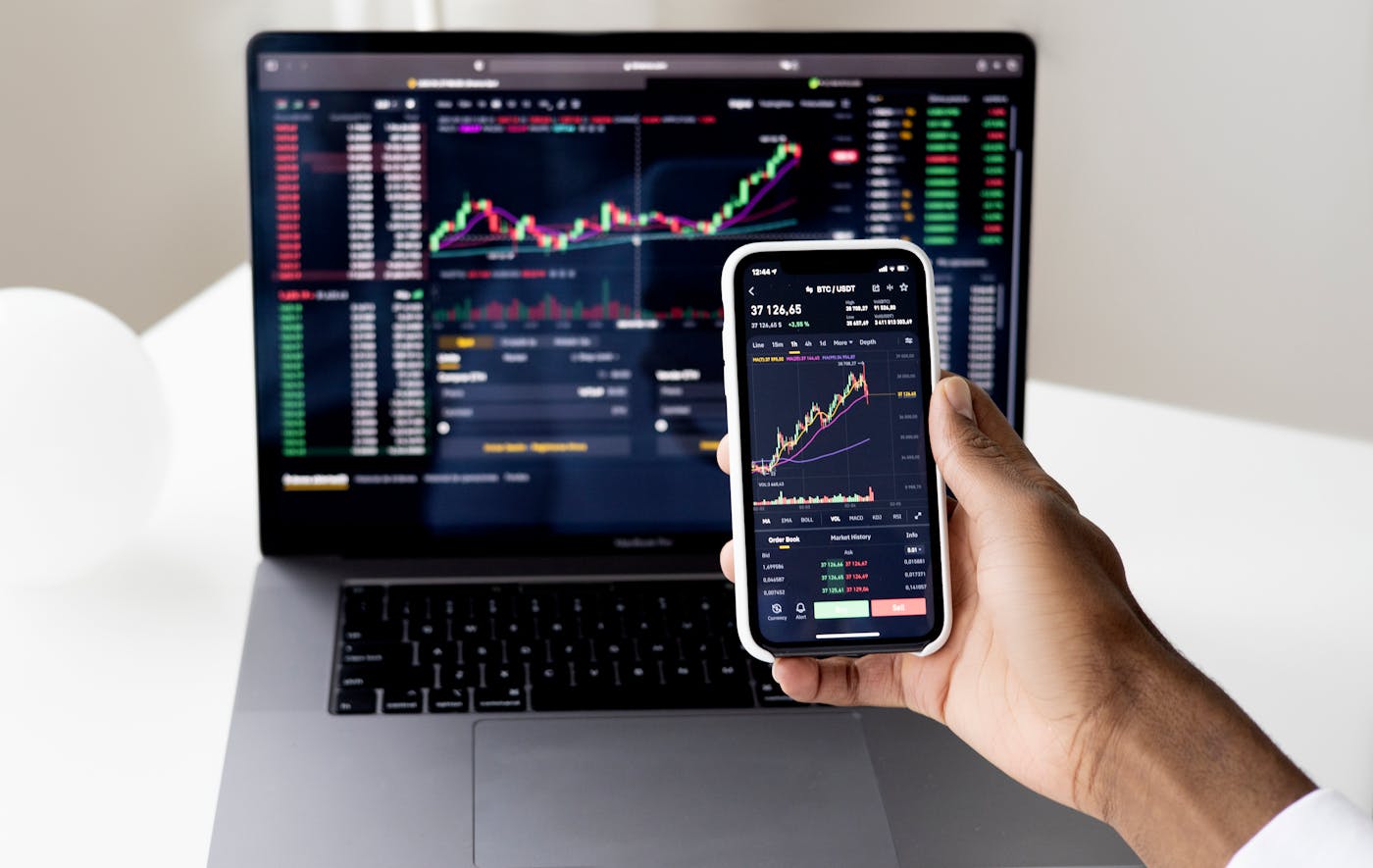
1. What Is a Trading Watchlist?
A trading watchlist is an organised collection of stocks or other instruments that a trader wants to monitor.
Securities can be added because they meet certain technical, fundamental, liquidity, volatility or strategy-specific conditions.
Market Universe → Screening → Watchlist → Analysis → Trade Setup
The watchlist sits between broad market scanning and the final trading decision. It helps reduce the number of securities requiring detailed analysis.
Importantly, watchlist inclusion is not itself a buy or sell signal. The trader still needs to wait for the conditions defined in the trading strategy.
2. Why Should Beginners Build a Watchlist?
Beginners often open a trading platform without knowing which securities deserve attention. They may then move randomly from one chart to another.
A watchlist introduces structure before the trading session begins.
Reduces Information Overload
You concentrate on a manageable group instead of continuously scanning the entire market.
Supports Better Preparation
You can examine important levels and possible setups before making a trading decision.
Encourages Strategy-Based Selection
Securities are selected because they fit defined criteria rather than because they are suddenly popular.
Creates a Repeatable Routine
The same filtering process can be repeated and improved over time.
3. Define Your Trading Style First
Before choosing stocks, decide what type of trading the watchlist is intended to support.
An intraday trader and a swing trader may use different timeframes, volatility requirements and screening criteria.
Shorter-Term Monitoring
Intraday traders may focus more heavily on liquidity, current volatility, price movement and session-specific activity.
Multi-Day Opportunities
Swing traders may focus on broader trends, technical structures, breakouts, pullbacks and price behaviour across multiple sessions.
Do not build one watchlist for every possible trading style.
Start with the style you actually intend to trade and select securities that fit that process.
4. Decide Which Market or Instruments You Will Follow
The next step is defining your market universe. Without this step, screening can become unnecessarily broad.
A beginner focusing on equities, for example, might first decide which group of listed stocks will be considered before applying additional filters.
Which market am I studying?
Which instruments does my strategy cover?
Which timeframe will I analyse?
Do I understand the risks of these instruments?
Can I monitor them consistently?
Keeping the initial universe defined makes the next stages of screening easier to repeat.
5. Use Liquidity as an Important Filter
Liquidity broadly describes how easily market participants can transact in an instrument without causing a large price impact.
Traders should understand liquidity because trading conditions can be very different in securities with limited activity.
Observe trading volume.
Review how actively the security trades.
Pay attention to bid-ask behaviour where relevant.
Be cautious with instruments that appear difficult to enter or exit.
High activity does not automatically make a stock a good trade.
Liquidity is one filtering factor. The security must still match your setup and risk criteria.
6. Look for Price Movement That Fits Your Strategy
A watchlist should contain securities whose behaviour is relevant to your trading approach.
A trend-following strategy, for example, may require a different type of price structure from a mean-reversion approach.
Is Price Moving Directionally?
Traders may study whether the security is forming a consistent directional structure.
Is Price Consolidating?
Consolidation may matter to strategies that monitor breakouts or range behaviour.
Is Movement Suitable for the Strategy?
Extremely low or high volatility may affect how a particular strategy behaves.

7. Identify Important Technical Levels
After the initial filtering process, review the charts of the remaining candidates in greater detail.
Depending on the strategy, this may include identifying areas where price has reacted previously or where a potential setup could develop.
Support and Resistance Areas
Historical reaction zones can provide useful context for future price behaviour, although they do not guarantee a reaction.
Recent Highs and Lows
These areas may help traders understand current market structure.
Breakout Areas
Traders using breakout strategies may monitor clearly defined price boundaries.
Trend Structure
Higher highs, higher lows, lower highs and lower lows can provide context about directional behaviour.
Traders can use this guide to commonly used intraday trading indicators as additional educational material when learning technical analysis.
8. Give Every Stock a Reason for Being on the Watchlist
One of the easiest ways for a watchlist to become cluttered is adding securities without recording why they were selected.
Monitoring resistance breakout.
Watching pullback toward a predefined area.
Strong directional structure under review.
Consolidation near an important technical level.
Waiting for strategy confirmation.
These notes prevent you from returning later and wondering why a stock was originally selected.
If you cannot explain why a stock is on the list, reconsider whether it belongs there.
Every watchlist entry should have a clear connection to your research process.
9. Keep Your Watchlist Focused
A watchlist loses much of its usefulness when it becomes another huge collection of symbols.
There is no universal number of securities that every trader should monitor. The appropriate size depends on trading style, available time and the complexity of the analysis.
Adding stocks is easy. Removing irrelevant stocks is equally important.
A watchlist should remain manageable enough that each candidate can be reviewed properly.
10. Organise the Watchlist by Priority
Not every candidate deserves the same amount of attention.
Separating securities according to how close they are to meeting your strategy conditions can make monitoring more efficient.
Setup Is Close to Confirmation
These candidates meet most of your conditions and may require closer observation.
Interesting but Not Ready
The broader structure is relevant, but additional conditions are still required.
Monitor for Future Development
These securities remain worth observing but are not close to your current setup.

11. Review Your Watchlist Before the Trading Session
A watchlist becomes more useful when it is part of a consistent trading routine rather than something created once and forgotten.
Remove securities that no longer meet your criteria.
Review important chart levels.
Update the reason each candidate is being monitored.
Prioritise the strongest strategy matches.
Note conditions that would invalidate the setup.
Prepare before considering an entry.
Building this into a regular process can reduce last-minute decisions and random market scanning.
12. Remove Stocks When the Original Reason Disappears
Watchlists should change as market conditions change.
A security that qualified yesterday may no longer meet your criteria today.
The technical structure changes.
The expected setup is invalidated.
The security no longer meets your screening criteria.
Liquidity or volatility no longer suits your strategy.
The original reason for monitoring it is no longer valid.
Removing weak candidates helps keep the watchlist focused on current opportunities rather than old ideas.
13. Do Not Trade Everything on Your Watchlist
A watchlist is a preparation tool. It is not a daily target for the number of trades you should take.
Some sessions may produce several valid setups. Other sessions may produce none.
Forcing a trade simply because a security appears on the watchlist defeats the purpose of screening.
Watch first. Trade only when your predefined conditions appear.
A disciplined trader can finish a session without entering a position when no suitable setup develops.
If frequent unnecessary trades are becoming a problem, review how to avoid overtrading and strengthen your rules for when not to trade.
14. Add Risk Checks Before Turning a Watchlist Idea Into a Trade
Even when a security meets your technical criteria, risk should be evaluated before an order is considered.
Where is the trade invalidated?
Where would the stop be placed according to the strategy?
How much capital would be at risk?
What position size fits that risk?
Does the trade still meet the trading plan?
The objective is to avoid confusing a good-looking chart with a complete trading decision.
Traders can further study position sizing for beginner traders when developing this part of the process.
15. A Simple Watchlist Workflow for Beginners
Define Your Trading Style
Decide which strategy and timeframe the watchlist will support.
Choose Your Market Universe
Define which securities will be considered.
Apply Basic Filters
Remove securities that do not meet your initial criteria.
Review the Charts
Study trend, structure and important technical areas.
Write the Reason
Record why each candidate deserves monitoring.
Set Priority
Separate near-ready setups from longer-term candidates.
Wait for Confirmation
Do not enter simply because a stock is on the list.
Review and Refresh
Remove invalid ideas and add new candidates when appropriate.
Use Market Analysis Tools to Support Your Watchlist
A watchlist becomes more useful when it is connected to a structured research process rather than random stock selection.
STOXRA's supplied platform material includes Advanced Charts, AI Mentor, Paper Trading, Trading Academy and Portfolio Analytics.
Traders can explore the STOXRA AI trading platform to understand how market-analysis tools can support research and use STOXRA Learn to strengthen the educational foundation behind their screening rules.
Build a More Focused Market Research Process
Use your watchlist to narrow the market, analyse candidates and wait for the rules in your strategy instead of chasing random price movement.
Explore STOXRA AI Trading →Frequently Asked Questions About Building a Trading Watchlist
What is a trading watchlist?A trading watchlist is a selected group of securities that a trader monitors because they meet specific research or strategy criteria.
How do beginners build a stock watchlist?Start by defining your trading style and market universe. Then apply relevant filters, review charts, record why each security was selected and organise candidates by priority.
How many stocks should be on a watchlist?There is no universal number. The list should remain small enough for you to review each candidate properly while still covering the opportunities relevant to your strategy.
Should I trade every stock on my watchlist?No. Watchlist inclusion only means a security deserves monitoring. A trade should still require the conditions defined by your strategy.
How often should a watchlist be updated?The frequency depends on trading style. Active traders may review their list frequently, while longer-term approaches may require less frequent updates.
What should I look for when screening stocks?Criteria depend on your strategy but can include liquidity, price structure, volatility, trend behaviour and strategy-specific conditions.
When should a stock be removed from a watchlist?Consider removing it when the original setup is invalidated, the security stops meeting your criteria or the reason for monitoring it no longer exists.
Does a watchlist tell me which stock to buy?No. A watchlist is an organisational and research tool. It does not guarantee that any listed security is suitable for a trade or investment.
A Good Watchlist Makes Your Trading Process More Focused
Building a watchlist: a step-by-step guide for beginners starts with defining what you actually trade rather than collecting a random group of popular stocks.
Define your trading style and market universe first. Then use relevant filters to narrow the available securities and study the charts of the remaining candidates.
Give every watchlist entry a clear reason, prioritise the strongest candidates and remove securities when the original idea is no longer valid.
Most importantly, remember that a watchlist is preparation rather than permission to trade. Wait for your strategy conditions and complete the necessary risk checks before making a decision.
Over time, this process can turn market scanning from a random activity into a repeatable part of your trading routine.
Turn Market Scanning Into a Repeatable Routine
Learn the concepts behind trading setups and use analytical tools to build a more organised watchlist process.
Explore STOXRA Learn →