How to Avoid Information Overload as a Beginner Trader
Learn how to avoid information overload as a beginner trader by simplifying charts, limiting indicators, following a learning plan, building a focused watchlist and reviewing only useful market information.
How to Avoid Information Overload as a Beginner Trader
Too many indicators, videos, news updates, strategies and opinions can make trading more confusing rather than easier. A simpler learning process can help beginners focus on the information that actually supports their trading decisions.
Beginner traders today have access to more market information than ever before. Charts, indicators, social media, financial news, trading videos, strategy discussions and market alerts are available almost continuously.
Access to information can be useful, but too much of it can create a new problem: information overload.
Learning how to avoid information overload as a beginner trader is important because more information does not automatically produce better decisions.
When traders follow too many sources or use too many analytical tools at the same time, they can receive conflicting signals and lose confidence in their own trading process.
Beginners can reduce this confusion by building their knowledge in a structured way through STOXRA Learn instead of consuming unrelated trading content without a clear plan.
More information is not always better information.
Your goal should be to identify the small amount of information that directly supports your trading strategy and decision-making process.
1. What Is Information Overload in Trading?
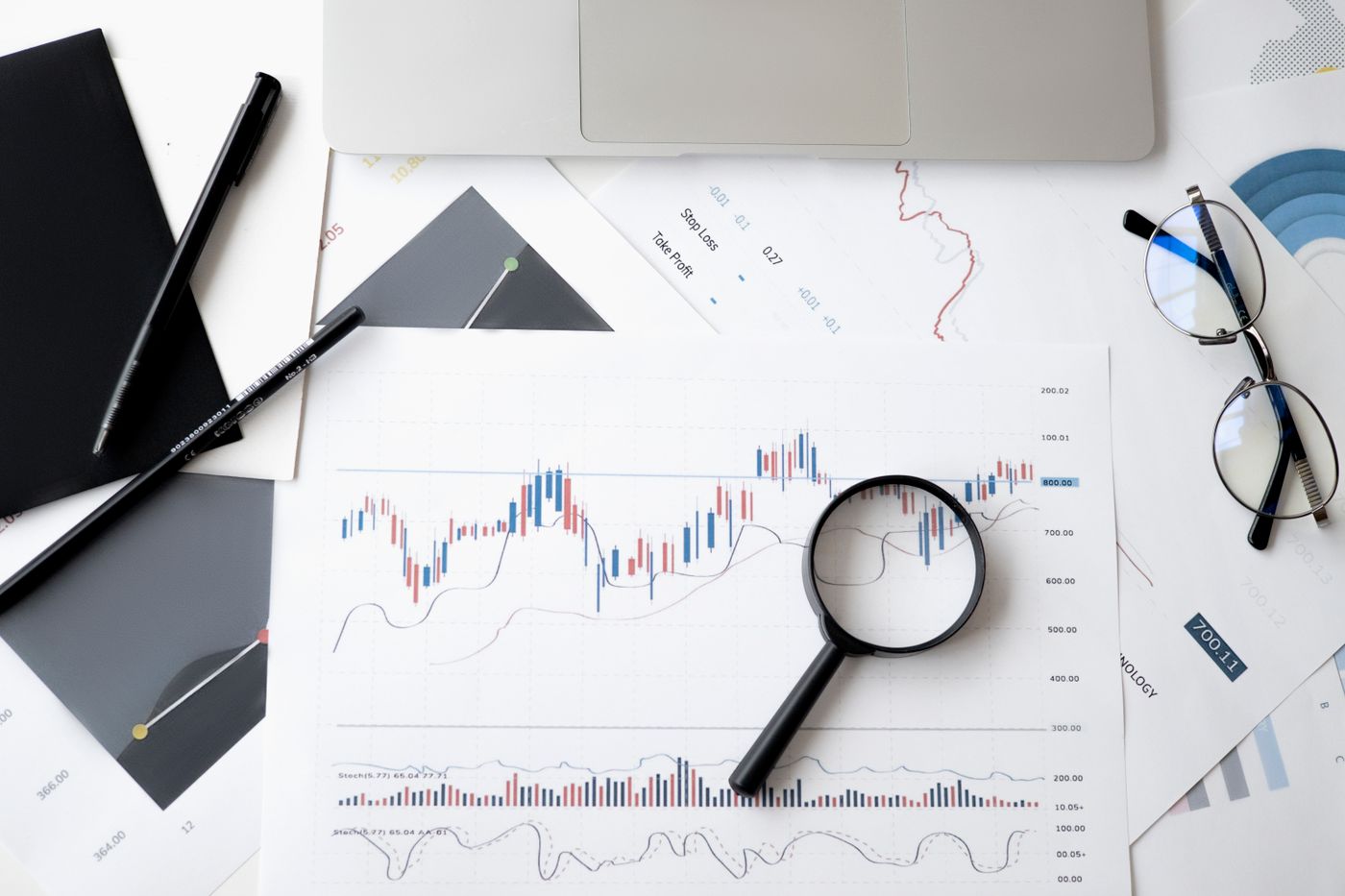
Information overload occurs when the amount of market information you are processing becomes greater than your ability to organise and use it effectively.
Too Much Input + Too Little Structure = Confusion
The problem is not simply having access to information. It is trying to process too many sources, indicators and opinions without knowing which ones are relevant.
For example, a beginner may look at several technical indicators, read breaking news, watch trading videos and check social-media opinions before making one simple decision.
If these inputs conflict, the trader may become unsure whether to enter, wait or exit.
2. Why Beginner Traders Experience Information Overload
Beginners often experience information overload because they are still learning which information matters.
Following Too Many Trading Educators
Different traders may use completely different strategies, timeframes and risk rules.
Using Too Many Indicators
Multiple indicators can generate conflicting signals and make simple price behaviour harder to interpret.
Watching Every Market Update
Not every news update or price movement is relevant to your trading strategy.
Changing Strategies Frequently
Switching between methods prevents beginners from developing deeper familiarity with one trading process.
3. Start With One Trading Style
One of the easiest ways to reduce information overload is to choose one trading style to study first.
Trying to learn intraday trading, swing trading, options, investing and algorithmic trading simultaneously can create unnecessary complexity.
Choose one trading style.
Understand its typical holding period.
Learn the type of setups used.
Understand how risk is managed.
Practise before adding another style.
If you are unsure where to begin, review how to choose your first trading style as a beginner .
4. Do Not Start With Too Many Indicators
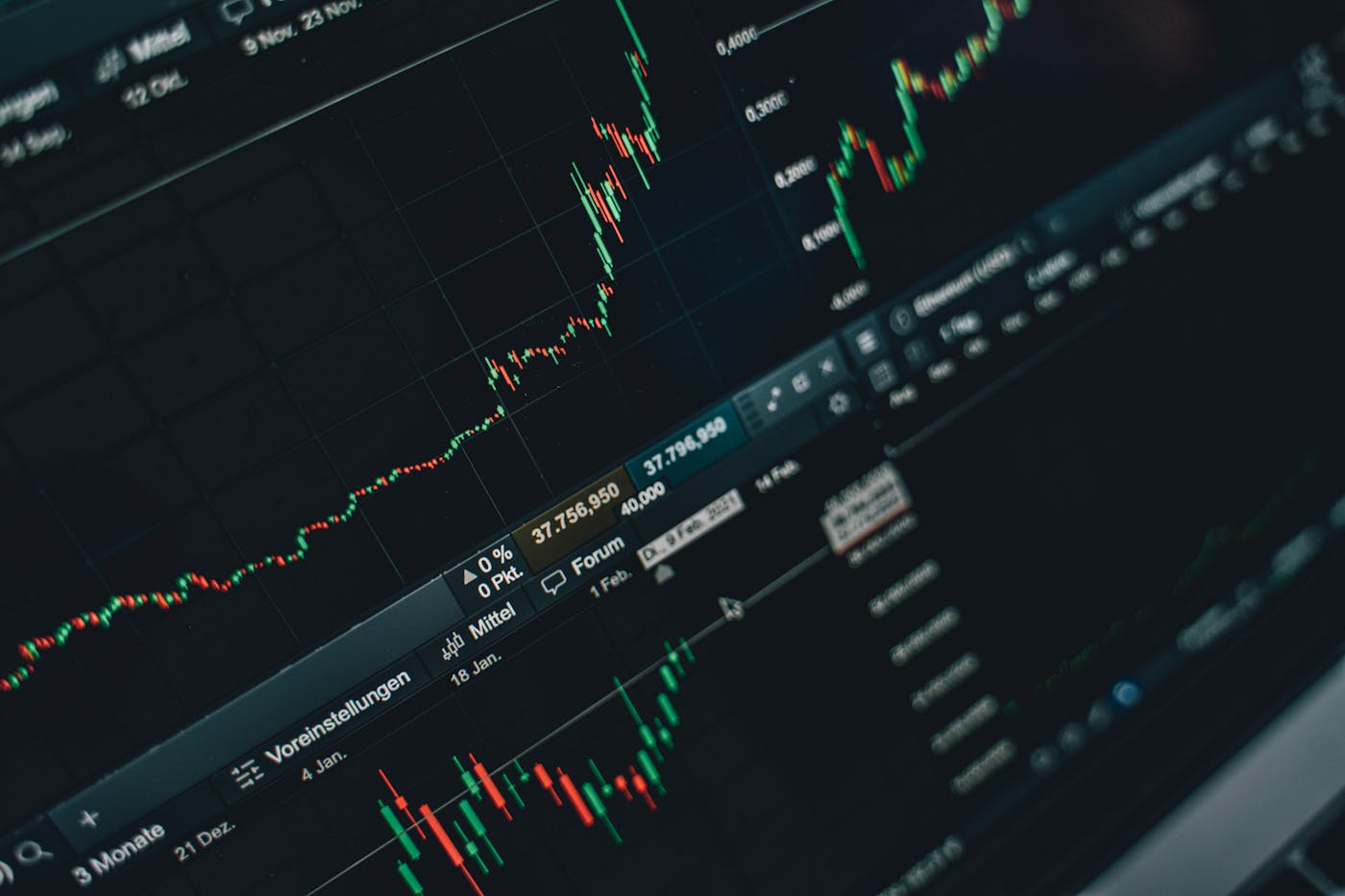
Indicators can help traders analyse specific aspects of market behaviour, but using too many can make a chart difficult to understand.
Five Indicators Giving Different Signals
The trader may wait for every tool to agree, change interpretation constantly or enter only after the opportunity has already moved.
Only Tools Required by the Strategy
The trader focuses on the specific market information needed to make the planned decision.
Add an indicator only when you know what question it answers.
Do not add tools simply because another trader uses them.
5. Choose a Small Number of Reliable Learning Sources
One of the biggest sources of confusion is consuming educational content from many people who use different trading philosophies.
Choose a structured learning path.
Study one concept at a time.
Complete a topic before moving to another.
Verify whether information fits your strategy.
Avoid collecting strategies without practising them.
Beginners can use STOXRA Learn as one structured educational resource while developing their market foundation.
Learning from ten sources at the same time can slow learning.
Depth of understanding can be more useful than constantly discovering new trading concepts.
6. Do Not Treat Every Market News Update as Actionable
Financial markets generate a constant stream of headlines, company updates and economic information.
However, not every headline needs to change your trading decision.
Does this information directly affect the instrument I am trading?
Does my strategy use this type of information?
Has the market already reacted?
Am I changing my plan only because of a headline?
Changing every trade because of every new headline.
Your information filter should be connected to your strategy rather than to the volume of news available.

7. Reduce the Number of Securities You Monitor
Monitoring a very large number of stocks can create another form of information overload.
A focused watchlist helps reduce the number of charts and price movements competing for your attention.
Start with a manageable number of securities.
Apply your strategy criteria.
Remove stocks that do not meet the setup.
Review only relevant candidates.
Update the list periodically.
Beginners can use this step-by-step guide to building a trading watchlist to create a more organised market-selection process.
8. Use a Pre-Trade Checklist to Filter Information
A trading checklist can act as a filter between information and action.
Instead of asking whether every market signal looks interesting, you ask whether the trade meets your predefined conditions.
Does this match my strategy?
Is the entry condition confirmed?
Where is the trade invalidated?
Is the position size appropriate?
Does the risk fit my rules?
Do I know my exit plan?
Review how to create a simple trading checklist before every trade for a complete framework.
9. Write a Trading Thesis Before Looking for More Opinions
When traders do not have their own reasoning, they can become dependent on external opinions.
A trading thesis forces you to explain why a particular setup deserves attention before searching for confirmation elsewhere.
What is the market context?
What setup am I seeing?
What supports the idea?
What would invalidate it?
What is the planned risk?
Beginners can review what a trading thesis is and how to write one .
Create your reasoning before searching for agreement.
Otherwise, it becomes easy to keep looking until you find someone who confirms what you already want to do.

10. Learn One Trading Concept at a Time
Beginners sometimes try to understand indicators, candlestick patterns, options, risk management, algorithms and trading psychology all at once.
A better approach is sequential learning.
Understand Market Basics
Learn basic market structure, order types and how prices move.
Learn One Trading Style
Understand how your chosen trading horizon works.
Learn One Setup
Practise identifying one repeatable trading condition.
Learn Risk Management
Understand stop-loss logic, position size and loss limits.
Review and Improve
Use a trading journal and weekly review before adding more complexity.
11. Avoid Spending All Day Searching for More Information
More screen time does not automatically produce more understanding.
Constantly switching between charts, videos, news and social media can reduce concentration.
Set a fixed learning period.
Set a separate chart-review period.
Stop searching when the planned topic is complete.
Write down unanswered questions for later.
Take breaks before attention decreases.
For more on productive chart observation, review what screen time means and why it matters for new traders .
12. Stop Changing Strategies Every Few Days
Strategy hopping is one of the clearest signs that a trader is consuming too much information without enough practice.
Discover a new strategy.
Try it briefly.
Experience a losing trade.
Watch another trading video.
Switch to another strategy.
This cycle prevents traders from collecting enough structured experience with one approach.
Learn → Practise → Review → Improve
Add a new strategy only when you have a clear reason for doing so.
13. Use Paper Trading to Turn Information Into Practice
Learning becomes more useful when you apply concepts rather than only consuming them.
Paper trading can help beginners practise one strategy without immediately risking real capital.
Learn One Concept → Apply It → Record It → Review It
This can reduce the temptation to keep searching for new information before understanding the material already learned.
Beginners can read how paper trading helps beginners learn faster .

14. Use a Journal to Organise What You Learn
Information becomes easier to manage when it is organised into your own notes.
What concept you studied
How it relates to your strategy
Examples you observed
Questions you still have
What you learned from actual or paper trades
A trading journal can also help separate useful lessons from random information. See how to build a trading journal .
15. Review What You Consumed Every Weekend
A weekly review can help you identify which information actually improved your decisions.
Which trading concept did I actually learn?
What information confused me?
Which sources were genuinely useful?
Did I change strategies unnecessarily?
Did too much news affect my decisions?
What should I focus on next week?
Combine this process with a structured weekend trade review .
16. Information Overload Mistakes Beginners Should Avoid
Following Every Market Expert
Different traders may use different goals, strategies and risk frameworks.
Adding Indicators Whenever a Trade Fails
More indicators may hide the real issue, such as poor execution or a weak setup.
Watching News Continuously
Constant updates can create unnecessary pressure to react.
Learning Without Practising
Consuming more concepts without applying them can create shallow knowledge.
Confusing Complexity With Skill
A complicated chart does not automatically represent a better trading process.
17. A Simple Information Filter for New Traders
Does this information relate to my strategy?
Do I know what this indicator, news item or concept actually means?
Does it change a rule in my trading plan?
Does the source explain the information clearly without unsupported claims?
If it does not affect my plan, can I simply move on?
If information does not change your process, you may not need it right now.
Focus on what helps you understand and execute your own strategy.
Use Structured Trading Education Instead of Random Information
A clear learning path can make it easier to decide which trading concepts deserve attention first.
STOXRA's supplied platform material includes Trading Academy, Advanced Charts, AI Mentor, Paper Trading and Portfolio Analytics.
Beginners can use STOXRA Learn to build trading knowledge in a more organised way and explore the STOXRA AI trading platform to understand how analytical tools can support a focused market-research workflow.
Focus on the Information Your Trading Process Actually Needs
Build your knowledge gradually, practise one process and add complexity only when it has a clear purpose.
Explore STOXRA Learn → Explore STOXRA AI Trading →Frequently Asked Questions About Information Overload in Trading
What is information overload in trading?Information overload occurs when a trader consumes more market data, indicators, news and opinions than they can organise and use effectively.
How can beginners reduce trading information overload?Start with one trading style, limit indicators and information sources, maintain a focused watchlist and follow a structured learning plan.
How many indicators should a beginner use?There is no fixed number. Beginners should use only the indicators required by their trading strategy and understand what each one adds to the analysis.
Should beginners follow trading news every day?Beginners can stay informed, but they do not need to react to every headline. Information should be filtered according to the trading strategy and instrument being studied.
Why do too many trading strategies create confusion?Different strategies may use different timeframes, market conditions and risk rules. Trying to apply them simultaneously can create conflicting decisions.
Can a trading checklist reduce information overload?Yes. A checklist helps traders focus on the specific setup, entry, risk and exit conditions required by their trading plan.
Does reducing information mean ignoring the market?No. The goal is to filter information so that attention remains on data relevant to the trading process.
Can paper trading help beginners simplify their learning?Yes. Paper trading allows beginners to apply one strategy repeatedly instead of constantly searching for new trading methods.
Reduce the Noise and Build One Clear Trading Process
Learning how to avoid information overload as a beginner trader does not mean ignoring useful information. It means creating a filter for what deserves your attention.
Start with one trading style and one learning path. Use only the indicators required by your strategy and monitor a manageable watchlist.
Avoid reacting to every headline or external opinion. Write your own trading thesis and use a pre-trade checklist before acting.
Practise what you learn through paper trading, keep a journal and review both your trades and learning process every week.
Most importantly, do not confuse complexity with progress. A simpler trading process that you understand can be more useful than a large collection of tools and strategies you cannot apply consistently.
Build Your Trading Knowledge With More Structure
Focus on the concepts that support your strategy and learn them one step at a time.
Explore STOXRA Learn →