What Is a Trading Strategy Backtest and Why It Matters
Learn what a trading strategy backtest is, why it matters, how historical testing works, which metrics to review, common backtesting mistakes and how beginners can test a strategy before live trading.
What Is a Trading Strategy Backtest and Why It Matters
A backtest applies a defined trading strategy to historical market data to study how its rules would have behaved in the past. Learn what backtesting can reveal, which metrics matter and why historical results should never be mistaken for guaranteed future performance.
Finding an interesting trading strategy is easy. Deciding whether its rules are clear, consistent and worth further testing is much harder.
A trader may see a moving-average crossover, breakout or momentum setup and believe that it looks effective after checking only a few recent charts. But several successful examples do not tell us how the strategy behaves across many trades or different market conditions.
This is where backtesting becomes useful. Understanding what is a trading strategy backtest and why it matters helps traders move from isolated chart examples toward a more systematic evaluation process.
A backtest applies predefined strategy rules to historical data and records what would have happened if those rules had been followed.
Beginners who are still learning how trading strategies are constructed can use STOXRA Learn for structured trading education before attempting increasingly complex strategy testing.
Backtesting tests the rules, not your confidence in the strategy.
The purpose is to collect evidence about how a clearly defined strategy behaved historically rather than relying only on attractive chart examples.
1. What Is a Trading Strategy Backtest?
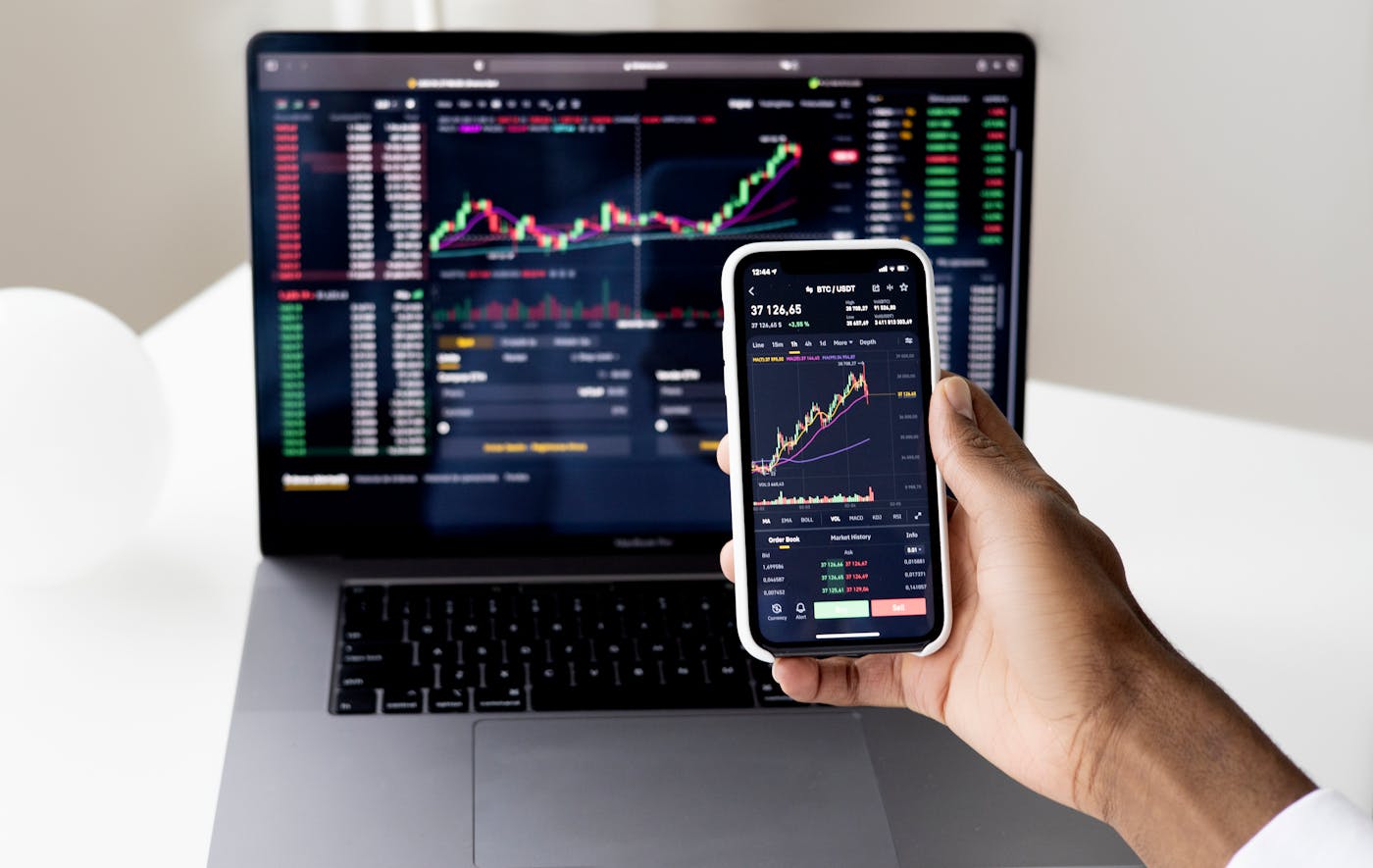
A trading strategy backtest is the process of applying predefined trading rules to historical market data.
The trader identifies situations in the past where the strategy's entry conditions would have occurred and then records how the hypothetical trade would have developed according to the strategy's exit and risk rules.
Backtest = Rules + Historical Data + Recorded Results
Instead of asking whether a strategy looks good on one chart, the trader studies how the same rules behaved across many historical opportunities.
Backtesting can be performed manually by reviewing historical charts or programmatically using software when the strategy rules can be expressed precisely.
2. Why Should Traders Backtest a Strategy?
Backtesting provides a more structured way to evaluate whether a trading idea deserves additional study.
Without testing, a trader may remember successful examples and unintentionally ignore situations where the same setup failed.
Understand Historical Behaviour
A backtest shows how the strategy behaved across a larger group of historical opportunities.
Identify Weaknesses
Repeated losing situations can reveal conditions where the strategy may struggle.
Improve Rule Clarity
Testing often exposes vague rules such as "enter when momentum looks strong" that need a more precise definition.
Build Realistic Expectations
Historical testing can show that even a strategy with positive periods can experience losing trades and drawdowns.
3. Define the Trading Rules Before You Backtest
A backtest becomes unreliable when the strategy changes from one chart to another.
The rules should therefore be written before historical results are examined.
Which market or instrument will be tested?
Which timeframe will be used?
What creates a valid setup?
What triggers an entry?
Where is the trade invalidated?
How is position risk handled?
What triggers an exit?
When should no trade be taken?
Traders who struggle to follow predefined rules can also review how to follow a trading plan without breaking its rules .
4. Choose Suitable Historical Data
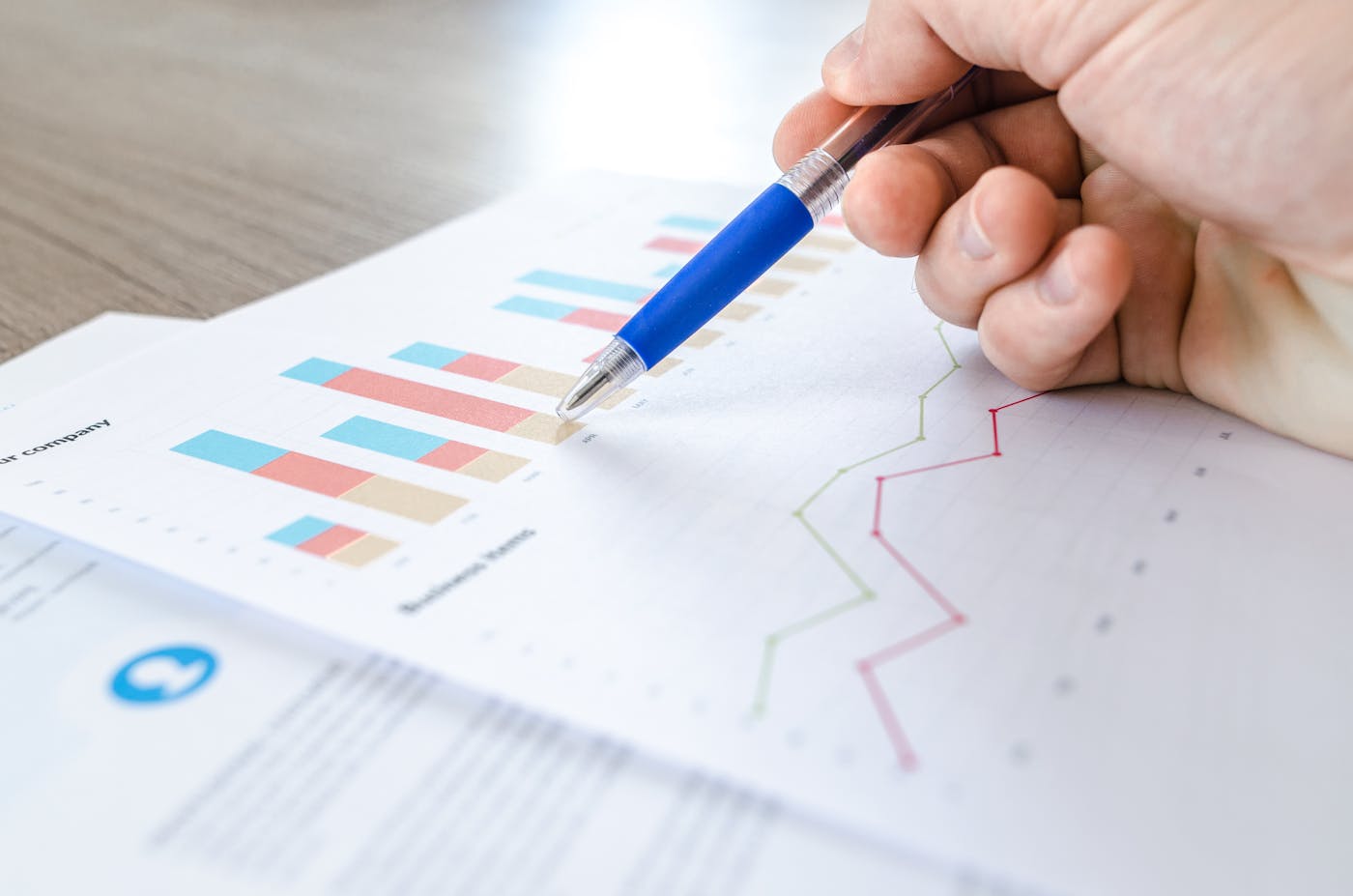
The historical data should match the market and timeframe for which the strategy is intended.
A strategy designed for intraday trading should not be evaluated only using daily candles. Similarly, testing a strategy on one stock may not explain how it behaves across a broader universe.
Traders should also remember that markets change. A historical period may contain strong trends, sideways conditions, high volatility or low volatility.
Do not choose historical periods only because they make the strategy look good.
Testing across different market environments can provide a more useful picture of strategy behaviour.
5. Record Every Historical Trade Consistently
During a manual backtest, traders should record both winning and losing setups.
Skipping trades that look unattractive after seeing the outcome can distort the results.
Date
Instrument
Setup
Entry
Stop or invalidation level
Exit
Result
Reason the trade qualified
Notes about market conditions
The same habit is useful during live and paper trading. A structured guide is available on how to build a trading journal .
6. Look Beyond the Win Rate
Win rate is one of the first statistics traders usually calculate.
A higher win rate may appear attractive, but it does not tell the whole story.
A strategy can win frequently but lose more on its losing trades than it earns on winning trades.
Another strategy may win less often but keep losses smaller relative to its average profitable trades.
Win rate should never be evaluated alone.
Review the size and distribution of both winning and losing trades.
7. Compare Average Wins and Average Losses
A useful backtest should show how large profitable trades are relative to losing trades.
How Much Did Winning Trades Gain?
Calculate the average result across the profitable trades in the backtest.
How Much Did Losing Trades Lose?
Calculate the average result across the losing trades.
These numbers can help explain whether the strategy depends on frequent small wins, occasional larger wins or another payoff pattern.
8. Study Drawdowns and Losing Streaks
A strategy should not be evaluated only during its best period.
Traders should also understand how difficult the weaker periods were.
A drawdown refers to a decline from a previous performance peak before a new peak is reached.
What was the largest historical decline?
How many losses occurred consecutively?
How long did weak performance continue?
Would the planned risk level have been manageable?
Understanding difficult periods can help traders avoid assuming that a strategy should win continuously.
9. Compare Different Market Conditions
Some strategies work differently depending on market conditions.
Trend-following approaches may behave differently when directional movement is strong.
Breakout or trend strategies can experience different outcomes when price remains within a narrow range.
Stops and price movement may behave differently when volatility increases.
Strategies requiring significant price movement may generate fewer opportunities.
This is one reason a strategy should not be judged from only a small historical period.
10. Avoid Changing the Rules to Fit Historical Results
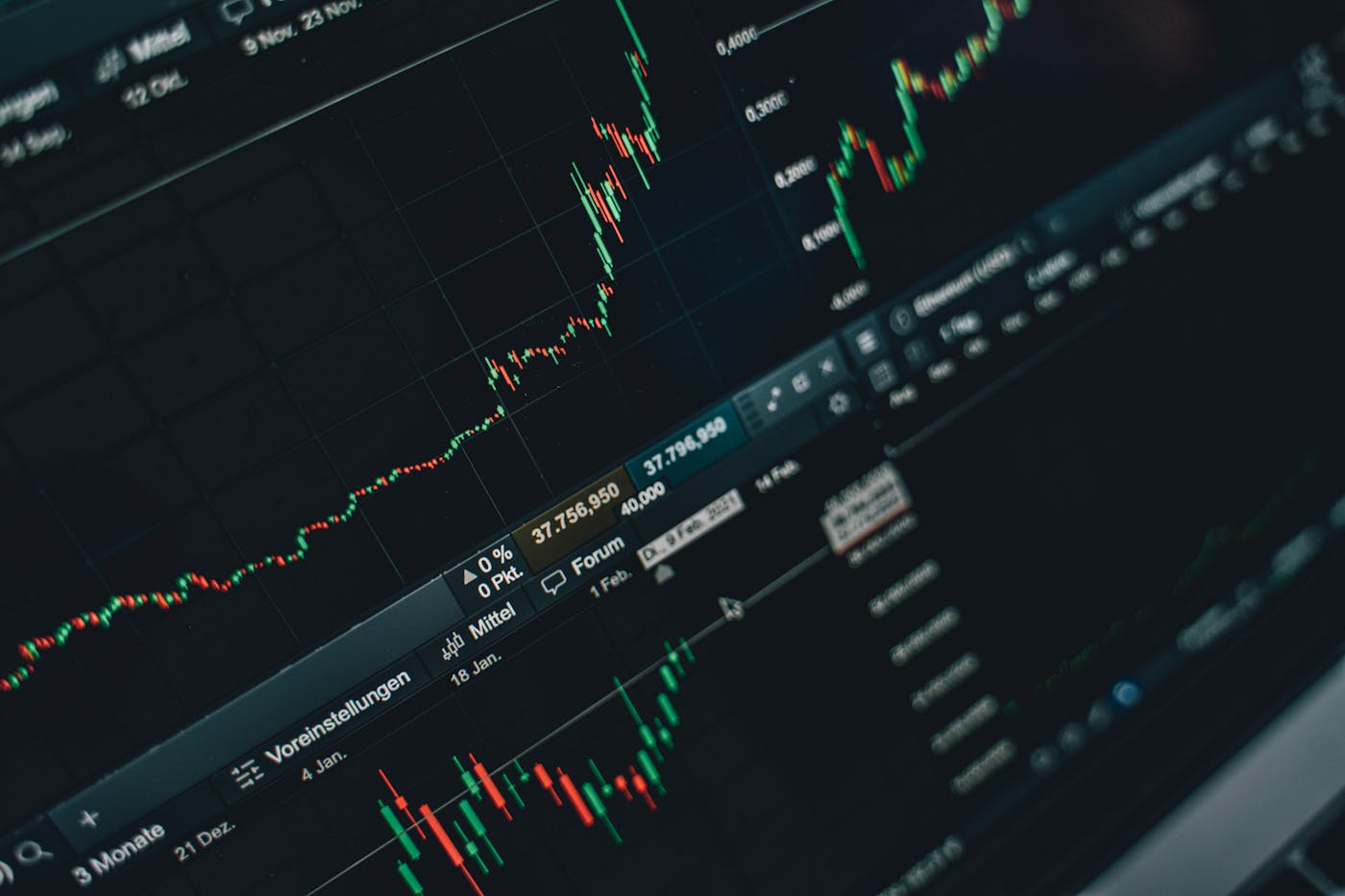
One of the biggest backtesting mistakes occurs when traders repeatedly modify the strategy until the historical chart looks impressive.
For example, a trader may keep changing indicator settings, entry rules and stop levels after seeing where historical trades failed.
Eventually, the strategy may fit the historical data extremely well but fail to represent a robust trading idea.
A perfect historical fit can be a warning sign.
If a strategy has been adjusted repeatedly to explain every past price movement, it may be capturing historical noise rather than a durable trading process.
11. Include Trading Costs and Realistic Assumptions
A theoretical backtest can overstate results if it assumes every trade occurs at an ideal price with no costs or execution differences.
Real trading may involve brokerage, taxes or other applicable charges, spreads and differences between expected and actual execution.
The exact assumptions depend on the market and strategy, but traders should avoid treating unrealistic perfect execution as guaranteed.
Make your assumptions visible.
Document the costs, execution assumptions and other conditions used during the test so that the result can be interpreted properly.
12. Manual Backtesting vs Automated Backtesting
Historical Chart Review
The trader goes through historical charts and applies the strategy rules manually.
This can be useful for beginners because it forces them to understand each rule and recognise the setup visually.
Programmatic Strategy Testing
Strategy rules are converted into logic that software applies across historical data.
This can process more data quickly, but unclear or incorrectly coded rules can still produce misleading results.
Traders interested in systematic strategies can also explore algorithmic trading strategies for beginners to understand how rule-based approaches can be structured.

13. What Should You Do After a Backtest?
A successful historical backtest should not automatically lead to an immediate large live position.
The next step can be additional validation and simulated practice.
Review the Results
Examine both performance and risk rather than only total profit.
Check Different Periods
See whether the strategy behaves reasonably across different market environments.
Paper Trade the Strategy
Observe how the rules behave in a simulated forward-looking environment.
Record Every Decision
Compare real-time execution with what the historical test assumed.
Beginners can review how paper trading helps beginners learn faster before moving from historical testing toward live trading.
14. What Backtesting Cannot Tell You
Backtesting is useful, but it has important limitations.
It Cannot Predict the Future
Historical behaviour does not guarantee that the same pattern will continue.
It Cannot Fully Reproduce Live Execution
Real trading can involve changing liquidity, spreads and execution conditions.
It Cannot Reproduce Trading Psychology Perfectly
Reviewing an old chart does not create the same emotional pressure as managing a live position.
It Cannot Rescue Poor Rules
If the strategy is vague, inconsistent or overfitted, a large dataset does not automatically make it reliable.
A backtest is evidence, not a promise.
Use historical testing to understand a strategy better, not to claim certainty about future returns.
15. Simple Backtesting Workflow for Beginners
Choose One Strategy
Avoid testing several unrelated strategies at the same time.
Write Exact Rules
Define the setup, entry, stop, exit and risk conditions.
Select Historical Charts
Use data appropriate for the strategy and timeframe.
Record Every Qualified Setup
Include both winners and losers consistently.
Calculate Key Metrics
Review win rate, average win, average loss and difficult periods.
Review Weak Conditions
Identify environments where the strategy struggled.
Move to Paper Trading
Test whether the rules can be followed in real time.
Use Trading Tools to Support Strategy Research
Strategy development becomes more useful when traders can combine education, chart analysis, practice and systematic review.
STOXRA's supplied platform material includes Advanced Charts, AI-assisted trading tools, Paper Trading, Trading Academy and Portfolio Analytics.
Beginners can use STOXRA Learn for trading education and explore the STOXRA AI trading platform to understand how market-analysis tools can fit into a structured strategy-development workflow.
Build Strategy Rules Before Risking Capital
Use education and analytical tools to understand how a strategy works, then validate the process before increasing complexity.
Explore STOXRA Learn →Frequently Asked Questions About Trading Strategy Backtesting
What is a trading strategy backtest?A backtest applies predefined trading rules to historical market data to study how those rules would have behaved across past trading opportunities.
Why is backtesting important?It can help traders evaluate historical strategy behaviour, identify weaknesses, clarify rules and understand possible losing periods before progressing further.
Does a profitable backtest guarantee future profits?No. Historical results do not guarantee future performance, and market conditions can change.
How many trades should a backtest include?There is no universal number. The sample should be large and varied enough to provide useful evidence rather than relying on only a few selected examples.
Can beginners backtest manually?Yes. Beginners can review historical charts, apply written strategy rules and record each qualifying setup in a spreadsheet or journal.
What metrics should I check in a backtest?Useful metrics can include win rate, average winning trade, average losing trade, overall results, losing streaks and historical drawdowns.
What is overfitting in backtesting?Overfitting occurs when a strategy is adjusted too closely to past data, potentially making the historical result look impressive while reducing its usefulness outside that specific dataset.
Should I paper trade after backtesting?Paper trading can be a useful next step because it allows the strategy rules to be practised in a forward-looking simulated environment.
Can backtesting remove trading risk?No. Backtesting can provide information about historical behaviour, but live markets remain uncertain and losses are always possible.
Backtest the Rules Before Trusting the Strategy
Understanding what is a trading strategy backtest and why it matters helps traders move beyond selecting strategies because they look convincing on a few charts.
Begin with precise rules. Then apply those rules consistently to historical data and record every qualifying trade rather than only the successful examples.
Review win rate, average wins and losses, drawdowns, losing streaks and how the strategy behaved under different market conditions.
Avoid repeatedly changing rules to fit historical outcomes and include realistic assumptions wherever possible.
Most importantly, remember that historical performance does not predict the future. Backtesting is a research tool that helps traders understand a strategy better before progressing to simulation or live-market risk.
Turn Trading Ideas Into Clear, Testable Rules
Strengthen your strategy-building foundation through structured education before moving toward live execution.
Explore STOXRA Learn →Financial Disclaimer: Trading and investing in securities involves risk. This content is for educational purposes only and is not investment advice. Historical backtests, simulations, paper trading and analytical tools cannot guarantee future trading performance. Actual market conditions, execution and costs may differ from historical assumptions. Past performance is not indicative of future results.