What Is Screen Time and Why It Matters for New Traders
Learn what screen time means in trading, why it matters for beginners, how chart observation builds pattern recognition and how to practice screen time without overtrading.
What Is Screen Time and Why It Matters for New Traders
Trading screen time means spending purposeful time observing markets, charts, price behaviour and setups. For beginners, the goal is not to stare at charts all day, but to develop better market recognition through structured observation.
New traders often hear the phrase "you need more screen time," but it can be misunderstood. Screen time does not mean keeping a trading platform open for as many hours as possible or placing more trades simply because you are watching the market.
In trading, screen time generally refers to purposeful exposure to charts, price movement, market behaviour, setups and trade-management situations.
Understanding what is screen time and why it matters for new traders can help beginners use their practice hours more productively.
Good screen time can help you notice how price behaves around important levels, how trends develop, how failed breakouts look, how volatility changes and how your strategy appears in different market conditions.
Beginners can combine market observation with structured trading education on STOXRA Learn instead of relying only on random chart watching.
Screen time should build recognition, not compulsive trading.
The goal is to observe enough market behaviour that your strategy, setups and common mistakes become easier to recognise.
1. What Does Screen Time Mean in Trading?
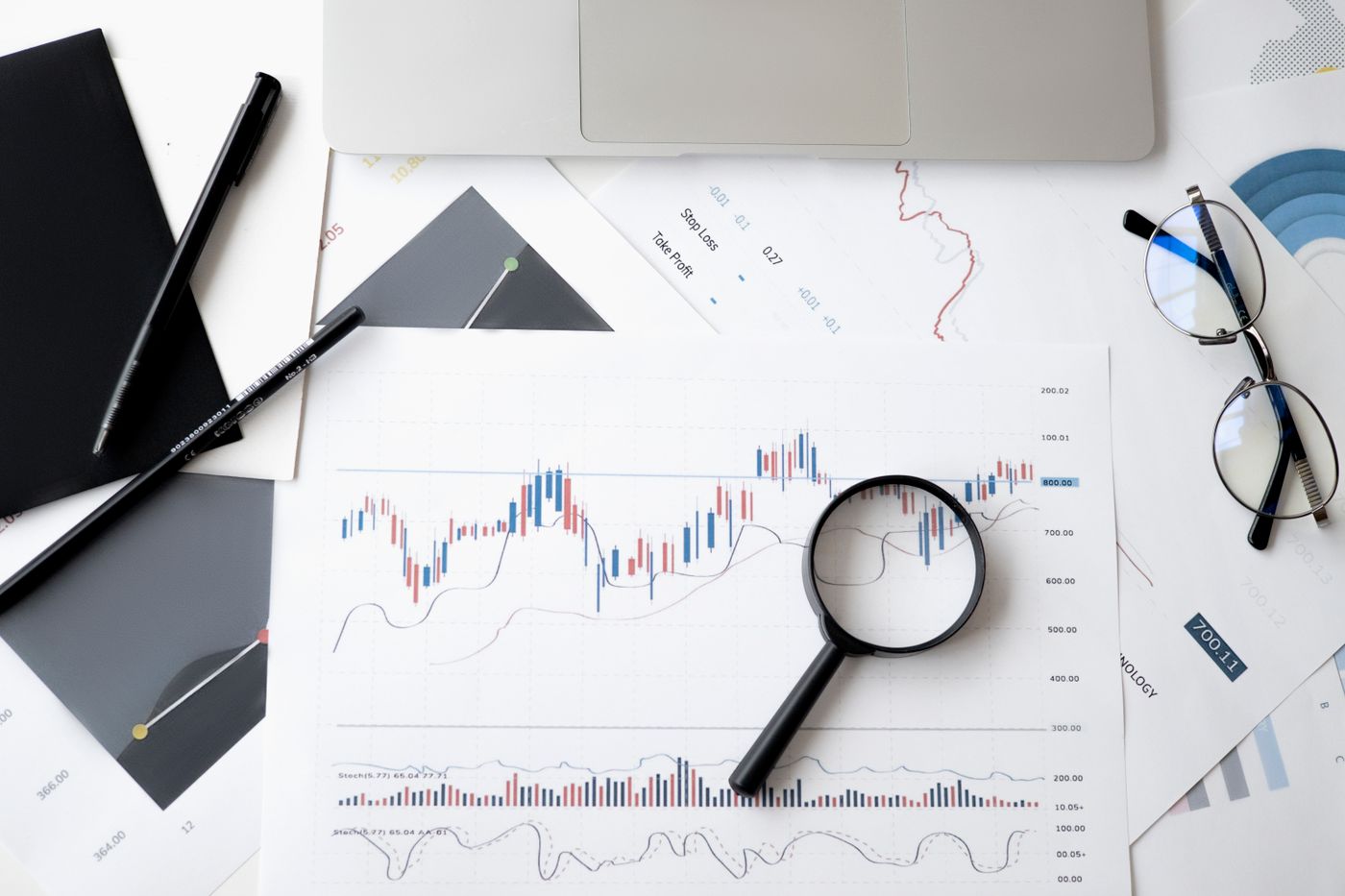
Trading screen time is the time spent actively observing and studying market behaviour through charts and market data.
It can include live-market observation, historical chart review, paper trading and post-trade analysis.
Observation + Pattern Recognition + Practice + Review
Effective screen time is structured. You should know what you are watching for instead of randomly moving between charts.
Screen time is therefore a learning activity, not simply a measure of how many hours a trading platform remains open.
2. Why Screen Time Matters for New Traders
Beginners can understand a concept theoretically but still struggle to recognise it when the market is moving.
Improves Pattern Recognition
Seeing similar market structures repeatedly can make them easier to identify over time.
Builds Context
Screen time helps you see that the same setup may behave differently in trending, ranging or volatile conditions.
Improves Patience
Watching setups develop can teach you that good trading does not require constant activity.
Makes Review More Practical
The more examples you observe, the easier it becomes to compare actual trades with ideal strategy conditions.
3. Screen Time Helps You Understand Market Structure
Charts can look simple after a move has already happened. The challenge is recognising market structure while it is developing.
Higher highs and higher lows
Lower highs and lower lows
Range-bound price action
Breakouts and failed breakouts
Support and resistance reactions
Changes in volatility
Repeated observation helps you become more familiar with how these structures actually form instead of studying only completed textbook examples.
4. Use Screen Time to Learn What Your Setup Looks Like
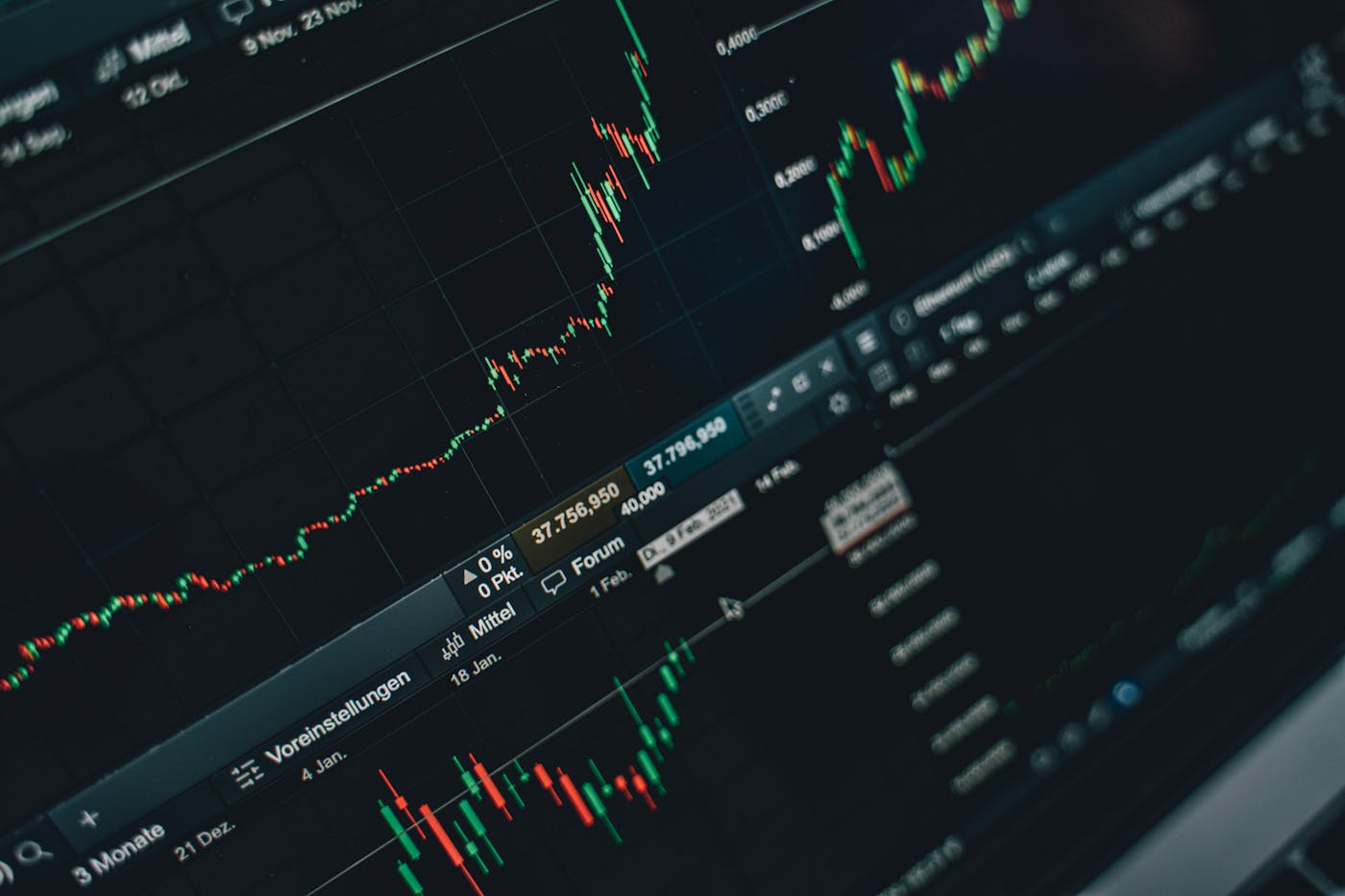
Beginners often know the written rules of a setup but hesitate when they see real charts.
Screen time helps connect the written strategy with actual market behaviour.
What usually happens before the setup forms
Where the setup appears in the broader market structure
What valid confirmation looks like
What failed examples look like
What conditions should make you avoid the trade
Study failed setups as seriously as successful ones.
Recognising when a setup is weak can be just as useful as recognising an ideal example.
5. More Screen Time Is Not Always Better
Spending eight hours watching charts without a learning goal is not automatically more useful than one focused hour.
Watching Without a Purpose
Constantly switching charts, following random price moves and entering trades from boredom can create activity without meaningful learning.
Observing One Defined Concept
Studying a specific setup, market condition or trading behaviour gives the observation session a clear purpose.
Measure screen time by learning quality, not only by hours.
A focused session with notes and review can be more valuable than prolonged passive chart watching.
6. What Should You Observe During Live Market Screen Time?
Live-market observation helps beginners see how price movement develops without the benefit of hindsight.
How price reacts near important levels
Whether breakouts continue or fail
How fast price moves during volatile periods
How volume changes around important moves
How long setups take to form
How often no valid setup appears
Watching these behaviours can help reduce the unrealistic expectation that markets constantly provide clear opportunities.
7. Historical Chart Review Also Counts as Screen Time
Beginners do not need to wait for live markets to gain useful chart exposure.
Historical charts can be reviewed to study many examples of a particular setup or market condition.
Choose one strategy or market concept.
Find multiple past examples.
Hide the future outcome where possible.
Identify where you would have entered.
Mark the invalidation point.
Compare the decision with what happened next.
This type of practice can make live market observation more productive because you already know what you are trying to recognise.
8. Combine Screen Time With Paper Trading
Paper trading can turn passive chart observation into active decision practice without immediately risking real capital.
Observe the market.
Wait for your setup.
Record the planned entry.
Define the stop and position size.
Manage the simulated position.
Review the trade afterward.
Beginners can review how paper trading helps beginners learn faster when building a screen-time practice routine.
Paper trading should still follow real trading rules.
Random simulated trades may create more screen time without creating a better process.
9. Screen Time Should Not Become an Excuse to Trade More
The longer you watch markets, the more price movements you will see. That can create the feeling that you should participate in all of them.
You enter because you are bored.
You lower setup standards after watching for a long time.
You chase price because you have been waiting for a trade.
You take more trades simply because you are at the screen.
You continue after reaching your daily risk limit.
If screen time is turning into excessive activity, review how to avoid overtrading .
Watching the market and trading the market are different activities.
You can learn from a complete session without placing a single trade.
10. How Much Screen Time Should a Beginner Get?
There is no fixed number of hours that guarantees trading skill.
Beginners are usually better served by a repeatable learning routine than by trying to spend every available hour watching markets.
30–60 Minutes of Focused Observation
Choose one setup or market concept and observe only that topic.
Review What You Observed
Study screenshots, simulated trades and notes from the week.
Add More Time Only When It Remains Productive
More hours are useful only when attention and learning quality remain high.

11. Keep Notes During Screen Time
Observation becomes more useful when you record what you notice.
What market condition you observed
Which setup appeared
Where you would consider an entry
What would invalidate the idea
Whether you would actually take the trade
What happened afterward
What surprised you
Over time, these notes can become part of your trading journal.
For a structured approach, see how to build a trading journal .
12. Save Chart Screenshots for Later Review
Screenshots can help you remember what the market looked like when the decision was made.
Capture the Original Context
Save the chart before you know how the move will end.
Capture the Outcome
Compare the original expectation with actual market behaviour.
Compare Similar Examples
Group successful, failed and skipped setups to improve pattern recognition.
13. Too Much Screen Time Can Reduce Decision Quality
Long periods of chart watching can reduce attention and encourage weaker decisions.
You stop following your checklist.
You begin switching strategies randomly.
You feel pressure to take a trade.
You struggle to concentrate on charts.
You become frustrated by normal market movement.
Take breaks before your observation quality collapses.
More screen time is not useful when fatigue causes you to stop learning from what you are seeing.
14. How to Get Screen Time With a Job or Studies
Beginners with full-time work or academic responsibilities may not be able to watch live markets for several hours.
That does not prevent them from developing market familiarity.
Review selected charts before work or college.
Use historical charts when live observation is not possible.
Paper trade only during available sessions.
Save screenshots for evening review.
Use weekends for deeper chart study.
For a broader routine, read how to balance trading with a full-time job or studies .

15. Review Your Screen Time at the End of the Week
Just as you review trades, you can also review what your observation sessions taught you.
Which setups did I observe most often?
Which conditions caused setups to fail?
Did I force trades because I was watching too long?
Which market behaviour still confuses me?
What should I focus on next week?
You can combine this with a structured weekend trade-review process .
16. Screen Time Mistakes New Traders Should Avoid
Watching Too Many Markets
Constantly switching instruments makes it harder to study one setup deeply.
Confusing Observation With Trading
Being at the screen does not mean an order must be placed.
Watching Without Taking Notes
Passive observation can make useful lessons easy to forget.
Using Too Many Indicators
Excessive information can make it harder to understand basic price behaviour.
Ignoring Fatigue
Long observation sessions can reduce concentration and increase impulsive decisions.
17. A Beginner Screen Time Routine
Choose One Market
Avoid dividing your attention across too many instruments.
Choose One Setup
Know exactly what market behaviour you are trying to recognise.
Observe Without Forcing Trades
Allow the session to end without a trade when the setup does not appear.
Save Examples
Keep screenshots of strong, weak and failed setups.
Write One Lesson
Finish each screen-time session with one useful observation.
Observe with a question, not just with open charts.
Every session should have a specific market behaviour or strategy concept you are trying to understand.
Combine Screen Time With Trading Education
Screen time becomes more useful when you understand what market behaviour you are trying to observe.
STOXRA's supplied platform material includes Trading Academy, Advanced Charts, AI Mentor, Paper Trading and Portfolio Analytics.
Beginners can use STOXRA Learn for structured trading education and explore the STOXRA AI trading platform to understand how charting and analysis tools can support a focused market-learning process.
Turn Chart Time Into Learning Time
Use education, focused observation and review instead of measuring progress only by the number of hours spent in front of a chart.
Explore STOXRA Learn → Explore STOXRA AI Trading →Frequently Asked Questions About Trading Screen Time
What does screen time mean in trading?Screen time generally means purposeful exposure to live or historical market charts, price behaviour, setups and trading situations in order to build familiarity and recognition.
Why is screen time important for new traders?It can help beginners connect theoretical trading concepts with how actual market behaviour develops on charts.
How much screen time does a beginner need?There is no fixed number of hours. A focused, repeatable practice routine can be more useful than spending many unfocused hours watching markets.
Does more screen time make you a profitable trader?No. Screen time alone cannot guarantee trading skill or profitable results. The quality of observation, strategy knowledge, risk management and review also matter.
Does historical chart review count as screen time?Yes. Historical review can be useful for studying multiple examples of a setup or market condition when live market observation is not possible.
Can paper trading improve screen time?Paper trading can make observation more active by requiring you to practise entries, exits and risk decisions without immediately using real capital.
Can too much screen time be harmful?Long sessions can lead to fatigue, boredom and impulsive trading if they are not structured properly.
What should I focus on during screen time?Beginners can focus on market structure, one trading setup, support and resistance behaviour, volatility, failed setups and their own strategy rules.
Use Screen Time to Learn, Not Just to Watch
Understanding what is screen time and why it matters for new traders starts with recognising that useful screen time is more than simply keeping charts open.
Focus on observing market structure, strategy setups, failed patterns, support and resistance behaviour and changes in volatility.
Combine live observation with historical chart study, paper trading, screenshots and written notes.
Avoid turning long observation sessions into an excuse to overtrade. Some of the most useful screen time can end without a single position being opened.
Most importantly, give every session a purpose. Know what you are trying to understand before you begin watching the market.
Build Better Market Observation Habits
Strengthen your trading foundation and use structured education to make your chart time more productive.
Explore STOXRA Learn →