What Is the Difference Between Investing and Trading
Learn the difference between investing and trading by comparing time horizon, objectives, analysis, trade frequency, risk, monitoring and decision-making.
What Is the Difference Between Investing and Trading
Investing and trading both involve financial markets, but they differ in time horizon, objectives, decision-making, activity level and risk management. Understanding these differences can help beginners choose a more suitable approach.
Beginners often use the words investing and trading as though they mean the same thing. Both involve buying and selling financial assets, but the way decisions are made can be very different.
Investing generally focuses on building wealth over a longer period by owning assets and allowing their value to develop over time. Trading generally focuses on shorter-term price movements and more frequent decision-making.
Understanding what is the difference between investing and trading can help you avoid choosing a style simply because it appears popular or exciting.
The right approach depends on factors such as your goals, available time, financial knowledge, risk tolerance and how actively you want to participate in the market.
Beginners who want to understand these concepts more clearly can use STOXRA Learn for structured trading education .
Investing and trading are not the same process.
Investing generally focuses on longer-term ownership, while trading generally focuses on shorter-term market opportunities and more active decision-making.
1. What Is Investing?
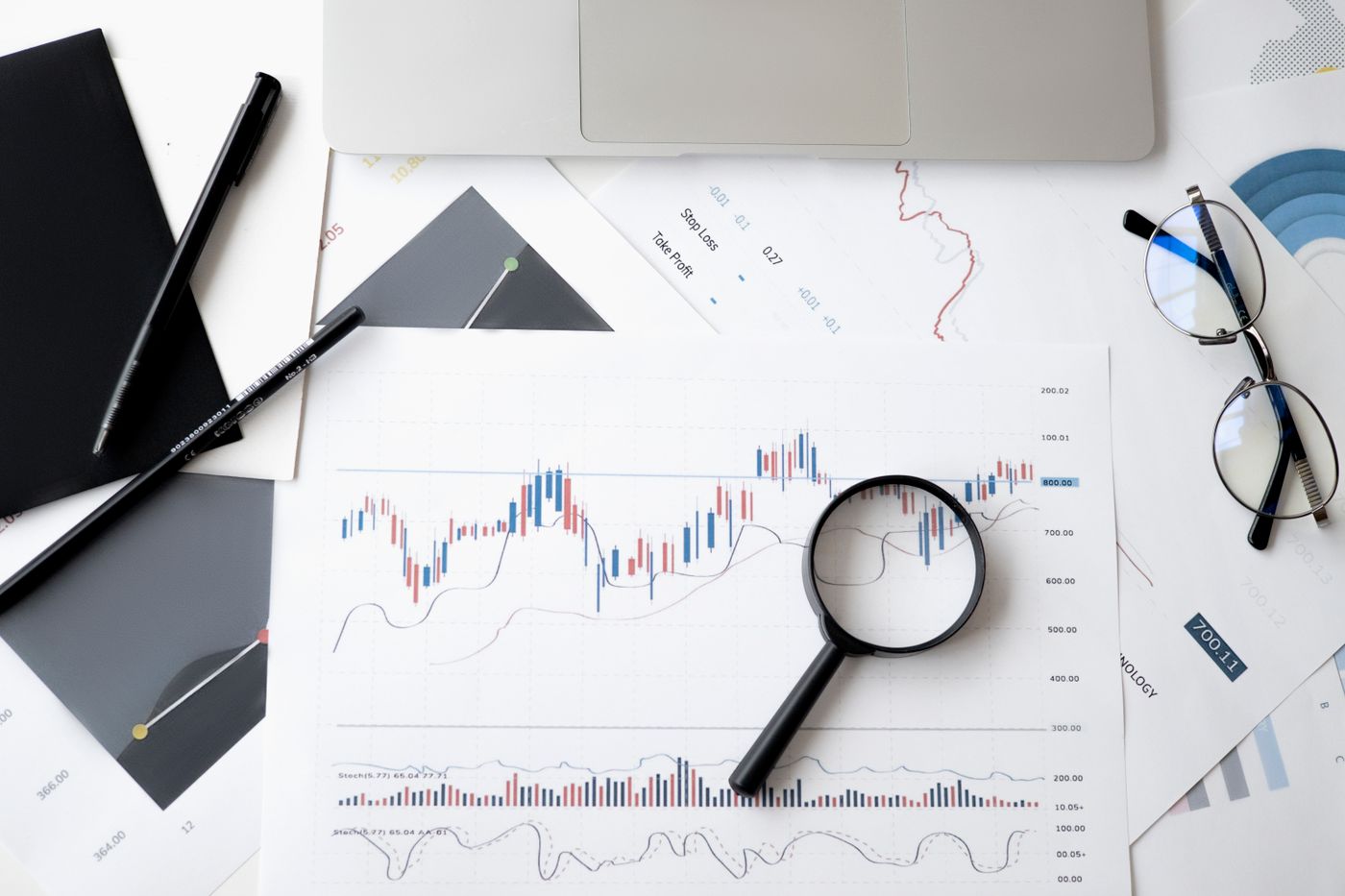
Investing is generally the process of allocating money to financial assets with the expectation that they may grow in value or generate returns over a longer period.
Investors often focus less on short-term daily price fluctuations and more on the long-term prospects of the asset.
Longer Time Horizon + Ownership + Long-Term Growth Focus
Investors may hold assets for months or years depending on their objectives and the type of investment.
2. What Is Trading?
Trading generally involves buying and selling financial instruments to take advantage of price movements over shorter periods.
Depending on the strategy, a trader may hold a position for minutes, hours, days or weeks.
Shorter Time Horizon + Active Decisions + Price Movement Focus
Traders often rely more heavily on timing, market structure, technical analysis and predefined entry and exit rules.
3. Time Horizon Is One of the Biggest Differences
Time horizon is one of the clearest distinctions between investing and trading.
Longer Holding Periods
Investors may hold assets for months, years or even longer depending on their financial goals.
Shorter Holding Periods
Traders may hold positions for much shorter periods depending on the strategy.
Holding period should come from the strategy, not emotion.
A short-term trade should not automatically become a long-term holding simply because the price moved against you.
4. Investing and Trading Usually Have Different Objectives
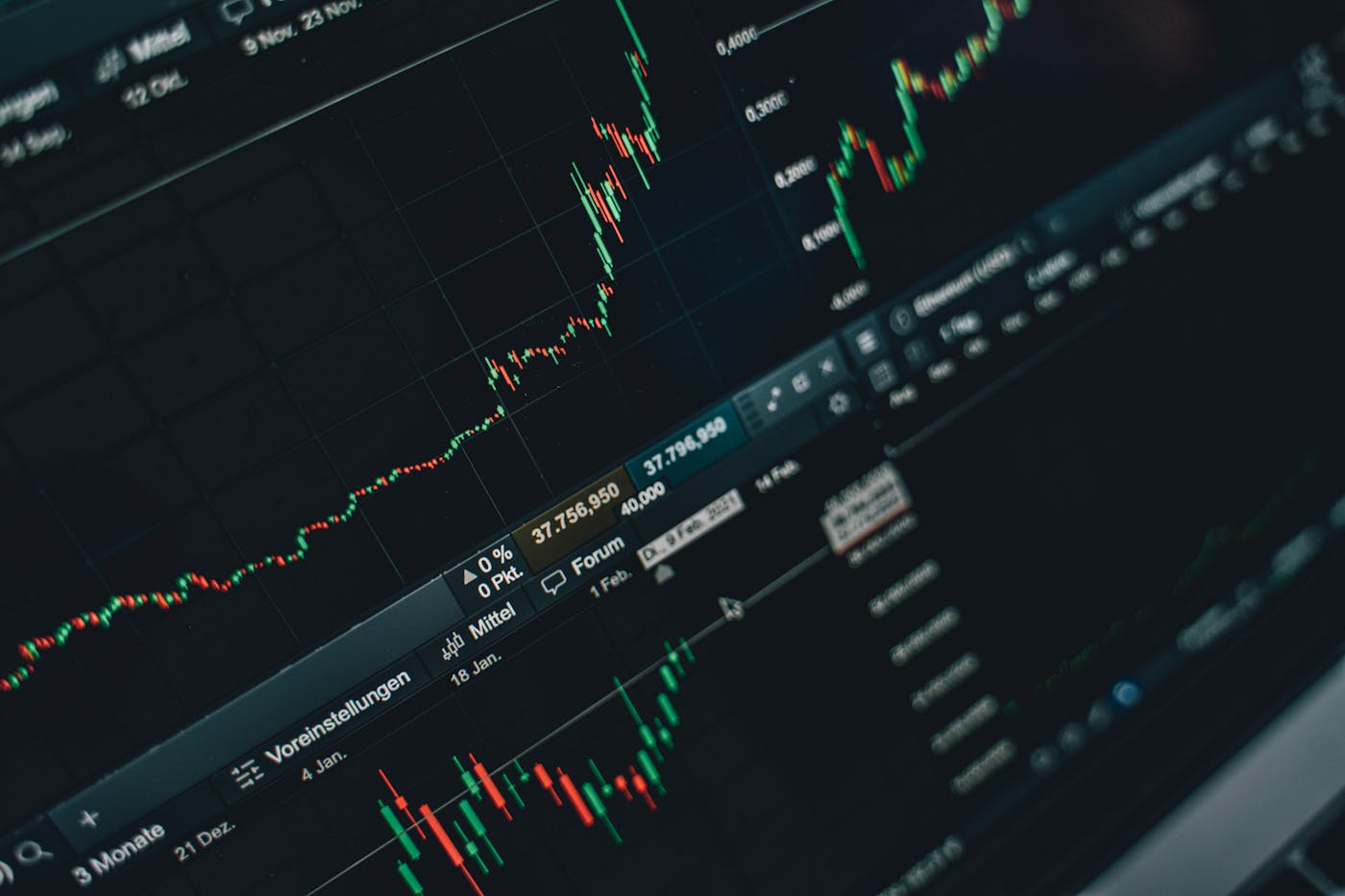
Investors often focus on long-term wealth creation, while traders generally focus on shorter-term market opportunities.
Long-Term Capital Growth
Investors may aim to benefit from long-term appreciation, income or a combination of both.
Capturing Market Price Movements
Traders may attempt to profit from shorter-term changes in market price.
Neither objective guarantees a profitable outcome. Both approaches involve market risk.
5. Investors and Traders May Analyse Markets Differently
The information considered important can vary depending on the intended holding period.
Fundamental and Long-Term Analysis
Investors may study business performance, financial statements, industry conditions, valuation and long-term growth prospects.
Technical and Market Behaviour Analysis
Traders may focus more heavily on price trends, market structure, momentum, volume, support, resistance and strategy-specific setups.
Traders who want to strengthen their technical-analysis foundation can explore commonly used trading indicators as educational material.
6. Traders Usually Make Decisions More Frequently
Because trading focuses on shorter-term price movements, traders may make decisions more often than long-term investors.
Lower Decision Frequency
Investors may review portfolios periodically rather than making constant market decisions.
Higher Decision Frequency
Traders may evaluate setups, entries, exits and risk more frequently.
Higher activity does not automatically mean better results.

7. Risk Is Managed Differently
Both investors and traders face the possibility of losses, but their risk frameworks can look different.
Position sizing
Stop-loss rules
Maximum daily loss
Entry and exit discipline
Short-term volatility
Business deterioration
Market downturns
Concentration risk
Long-term valuation risk
Changes in financial goals
Traders can review position sizing for beginner traders to understand one important element of trading risk.
8. Trading May Require More Active Time
Depending on the strategy, trading can require frequent chart review, market preparation and execution.
Long-term investing may require less frequent market monitoring, although research and periodic portfolio review are still important.
Choose an approach that fits your actual schedule.
A market strategy is difficult to follow consistently if you cannot provide the time it requires.
If you have work or academic commitments, review how to balance trading with a full-time job or studies .
9. Trading Frequency Can Affect Transaction Costs
More frequent buying and selling can result in more transaction-related costs compared with less frequent activity.
The exact costs depend on the market, broker, instrument and applicable taxes or charges.
Gross trading profit is not always the same as net profit.
Frequent traders should consider brokerage and other applicable costs when evaluating their strategy.
10. Investors Can Tolerate Short-Term Noise Differently
Short-term price movement may be less important to a long-term investor if the original investment thesis remains unchanged.
A trader, however, may need to respond more quickly when price violates the conditions defined by the trading strategy.
May Look Beyond Short-Term Volatility
Short-term price changes may be less important than long-term business and financial developments.
Price Behaviour Can Directly Affect the Strategy
A predefined stop, invalidation point or technical condition may require action.
11. Trading Can Create More Frequent Emotional Pressure
Frequent decisions can increase exposure to emotions such as fear, greed, FOMO and frustration.
Long-term investors can also make emotional mistakes, particularly during large market declines, but trading may create more frequent decision points.
Entering because price is moving quickly.
Trying to recover a recent trading loss immediately.
Abandoning a predefined strategy because of short-term fear.
A clear plan can reduce emotional decision-making.
Whether investing or trading, decisions should be connected to a defined process rather than short-term emotion.
12. Which Is Better for Beginners: Investing or Trading?
There is no universal answer because the two approaches serve different objectives.
Your goal is long-term wealth creation.
You prefer less frequent decision-making.
You are willing to study businesses or long-term assets.
You can tolerate short-term market fluctuations.
You want to study shorter-term market opportunities.
You can dedicate time to chart analysis and review.
You are willing to follow strict entry and exit rules.
You understand that frequent activity increases decision pressure.
The better approach is the one that fits your goals and process.
Do not choose trading or investing only because someone else says it is more profitable.
13. Common Mistakes When Mixing Investing and Trading
Turning a Losing Trade Into an Investment
Holding a failed short-term trade indefinitely because you do not want to accept the loss changes the original strategy.
Trading Long-Term Investments Too Frequently
Constantly reacting to short-term price moves can conflict with a long-term investment plan.
Using One Risk Plan for Everything
Trading and investing may require different position-sizing and review methods.
14. Learn Trading Through Practice Before Risking Real Capital
If you are interested in trading but still developing your process, simulated practice can help you understand entries, exits, position size and risk management.
Paper trading can provide a lower-risk environment for practising trading decisions without immediately committing real money.
Beginners can review how paper trading helps beginners learn faster .
Learn the process before focusing on the outcome.
Use practice to understand whether you can follow a trading strategy consistently.
15. Investing vs Trading: Simple Comparison Checklist
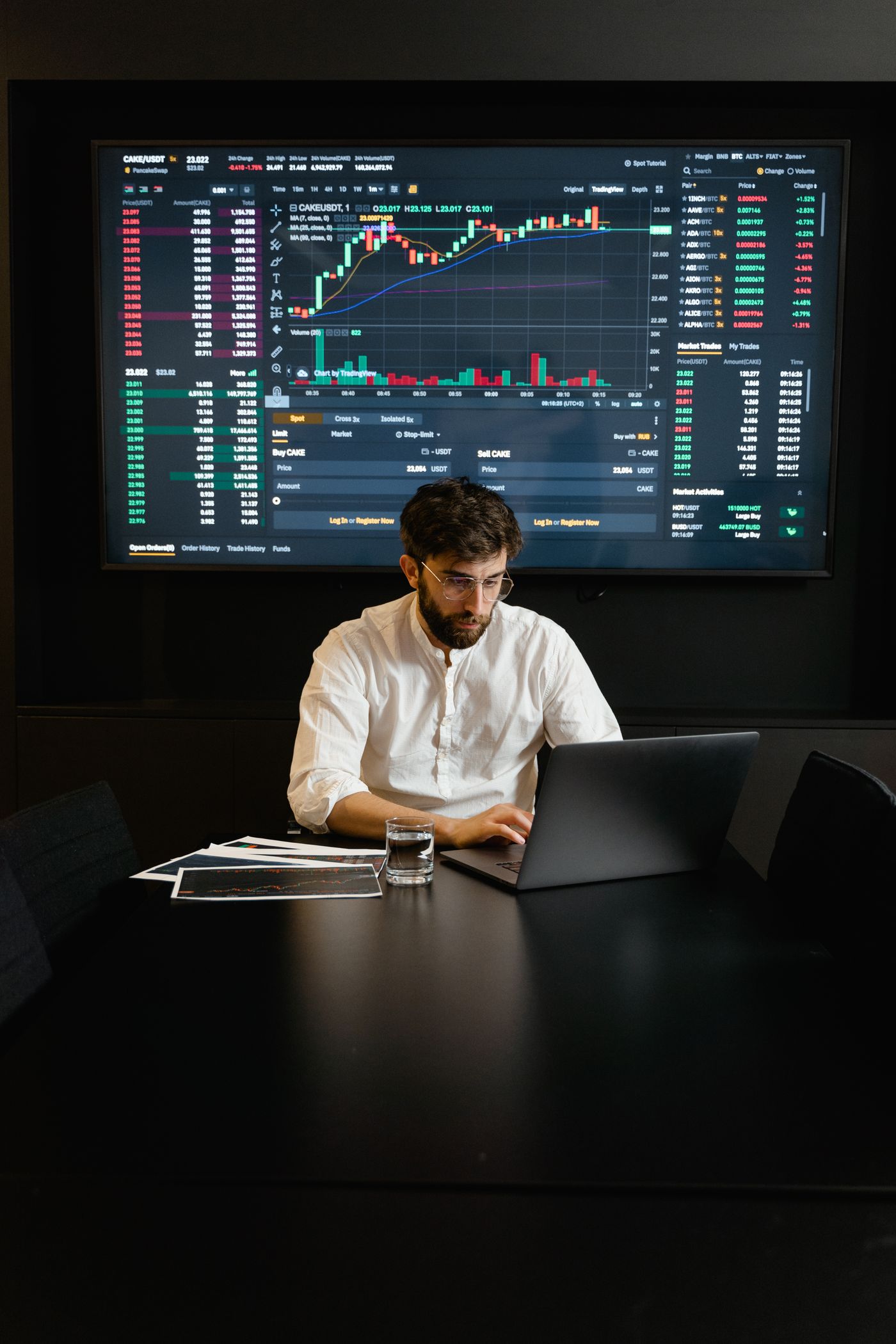
Investing: longer term | Trading: shorter term
Investing: long-term value | Trading: price movement
Investing: generally lower | Trading: generally higher
Investing: often fundamental | Trading: often technical
Investing: periodic | Trading: potentially frequent
Both require a defined process.
Build Your Market Knowledge Before Choosing a Style
Understanding the difference between investing and trading is easier when you first understand market structure, risk, trading plans and how different strategies work.
STOXRA's supplied platform material includes Trading Academy, Advanced Charts, AI Mentor, Paper Trading and Portfolio Analytics.
Beginners can use STOXRA Learn to strengthen their market education and explore the STOXRA AI trading platform to understand how market-analysis tools can support a structured learning process.
Understand the Market Before Deciding How to Participate
Build a foundation in market behaviour, risk management and trading discipline before choosing between more active and more long-term approaches.
Explore STOXRA Learn → Explore STOXRA AI Trading →Frequently Asked Questions About Investing and Trading
What is the main difference between investing and trading?Investing generally focuses on longer-term ownership and financial growth, while trading generally focuses on shorter-term price movements and more active market decisions.
Is trading better than investing?Neither approach is automatically better. The more suitable option depends on your financial goals, available time, knowledge, risk tolerance and preferred level of market activity.
Is investing safer than trading?Investing and trading both involve risk. The type and frequency of risk can differ, but neither approach guarantees protection from losses.
Can a person be both an investor and a trader?Yes. Some people maintain separate long-term investments and trading capital, provided the goals, rules and risk frameworks are clearly separated.
Which requires more time, investing or trading?Trading can require more frequent monitoring and decision-making, depending on the strategy. Long-term investing may involve less frequent market activity but still requires research and review.
Do traders use fundamental analysis?Some traders do. The amount of fundamental analysis used depends on the strategy, instrument and intended holding period.
Do investors use technical analysis?Some investors may use technical information for timing or market context, although longer-term investors often place greater emphasis on fundamentals.
Should beginners start with paper trading?Beginners interested in active trading can use paper trading to practise rules, entries, exits and risk management before risking real capital.
Choose the Approach That Matches Your Goals
Understanding what is the difference between investing and trading begins with recognising that they operate on different time horizons and often use different decision-making processes.
Investing generally focuses on longer-term ownership and financial growth, while trading generally focuses on shorter-term market price movements.
Traders usually make decisions more frequently and may rely more heavily on technical setups, risk limits and precise entry and exit rules.
Investors may place greater emphasis on long-term fundamentals and may monitor their holdings less frequently.
Neither method guarantees profits. The better approach is the one that matches your objectives, schedule, knowledge and risk tolerance.
Strengthen Your Market Foundation
Learn how markets, risk and trading strategies work before deciding how actively you want to participate.
Explore STOXRA Learn →Financial Disclaimer: Trading and investing in securities involves risk. This content is for educational purposes only and is not investment advice. Neither investing nor trading guarantees profitable results. Market conditions, asset prices and individual outcomes can change. Past performance is not indicative of future results.